From Prompt Engineering to Engineering Guardrails
When AI coding tools became popular, the conversation was almost entirely about prompt engineering.
Developers shared prompts, templates, and tricks that could generate better code, better tests, and better documentation. The assumption was simple: the better the prompt, the better the result.
Then AI became part of the development workflow.
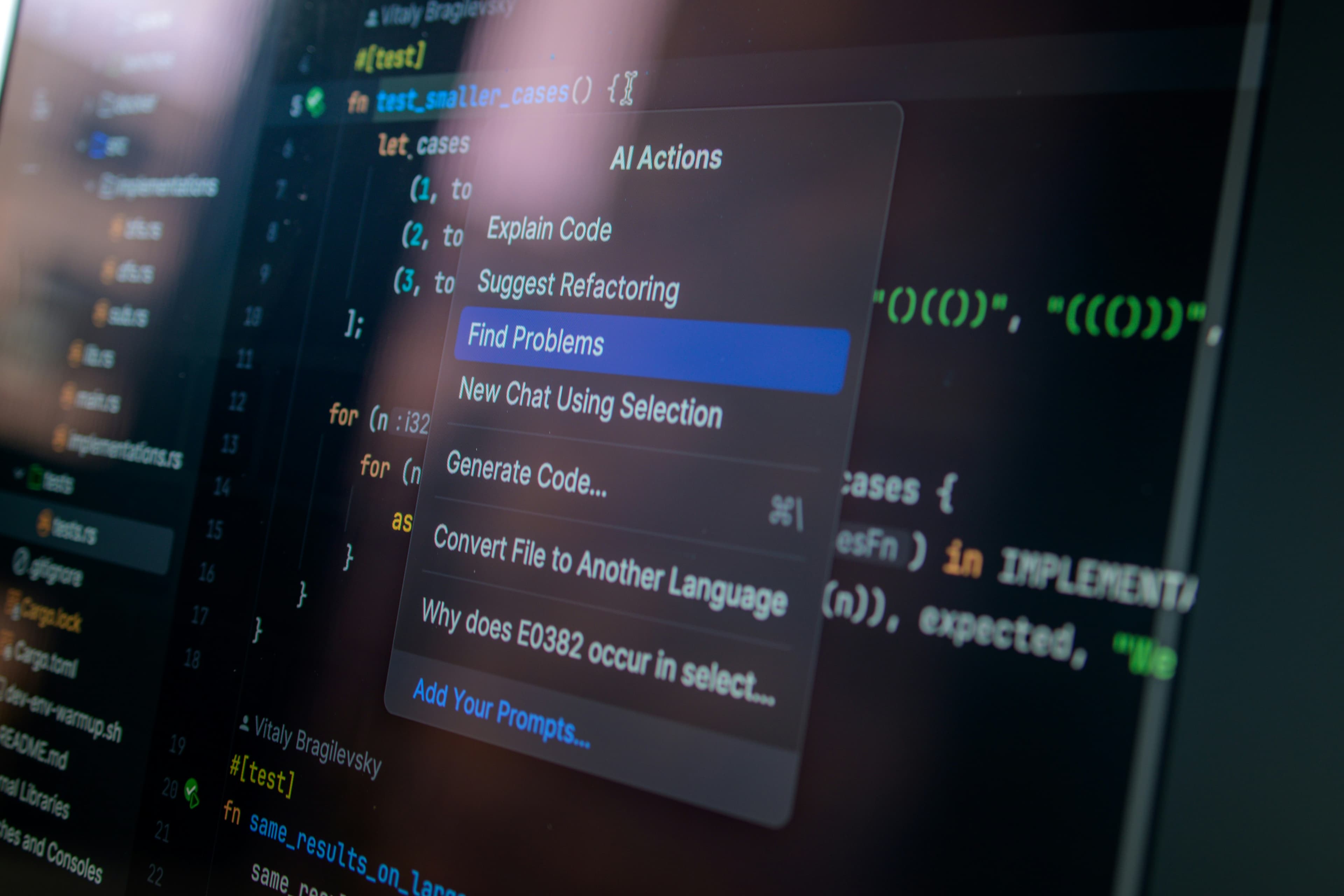
Instead of just answering questions, AI started writing functions, refactoring files, generating tests, fixing bugs, and even opening pull requests.
The next question was obvious.
Can we trust AI-generated code?
For a while, the answer was "not without code review." Engineers reviewed AI-generated changes carefully because the technology was still unpredictable.
But something interesting happened.
As codebases became more standardized, many teams began relying less on traditional line-by-line reviews for low-risk changes.
Why?
Because AI was no longer operating in a chaotic environment.
Modern software projects increasingly include strict linting rules, formatting standards, type checking, automated testing, security scanning, dependency analysis, CI/CD validation, and branch protections.
In other words, AI operates inside engineering guardrails.
The trust is not necessarily in AI itself.
The trust is in the system surrounding AI.
When a repository has strong guardrails, many simple changes can be validated automatically. Formatting issues, type mismatches, failing tests, security warnings, and deployment problems are often detected before a human reviewer even opens the pull request.
This changes the purpose of code review.
Instead of reviewing every line, engineers spend more time reviewing higher-risk decisions: authentication, payments, permissions, data migrations, infrastructure, performance, and business-critical logic.
The future of AI-assisted development may not be about writing better prompts.
It may be about building better engineering guardrails.
The teams that move fastest are not always the ones with the smartest prompts.
They are often the ones with the strongest systems for validating what AI produces.
Prompt engineering was the beginning.
Engineering guardrails are what make AI reliable at scale.


Comments (0)
Log in to join the discussion.
No comments yet. Be the first.